MyLife Event Manchester 2026 - Looking Ahead to Less Diabetes Work

Looking Ahead to Less Diabetes Work: mylife Loop with CamAPS Liberty

Thriveabetes attended the mylife Diabetes Care VIP Event in Manchester on 25 and 26 July 2026.

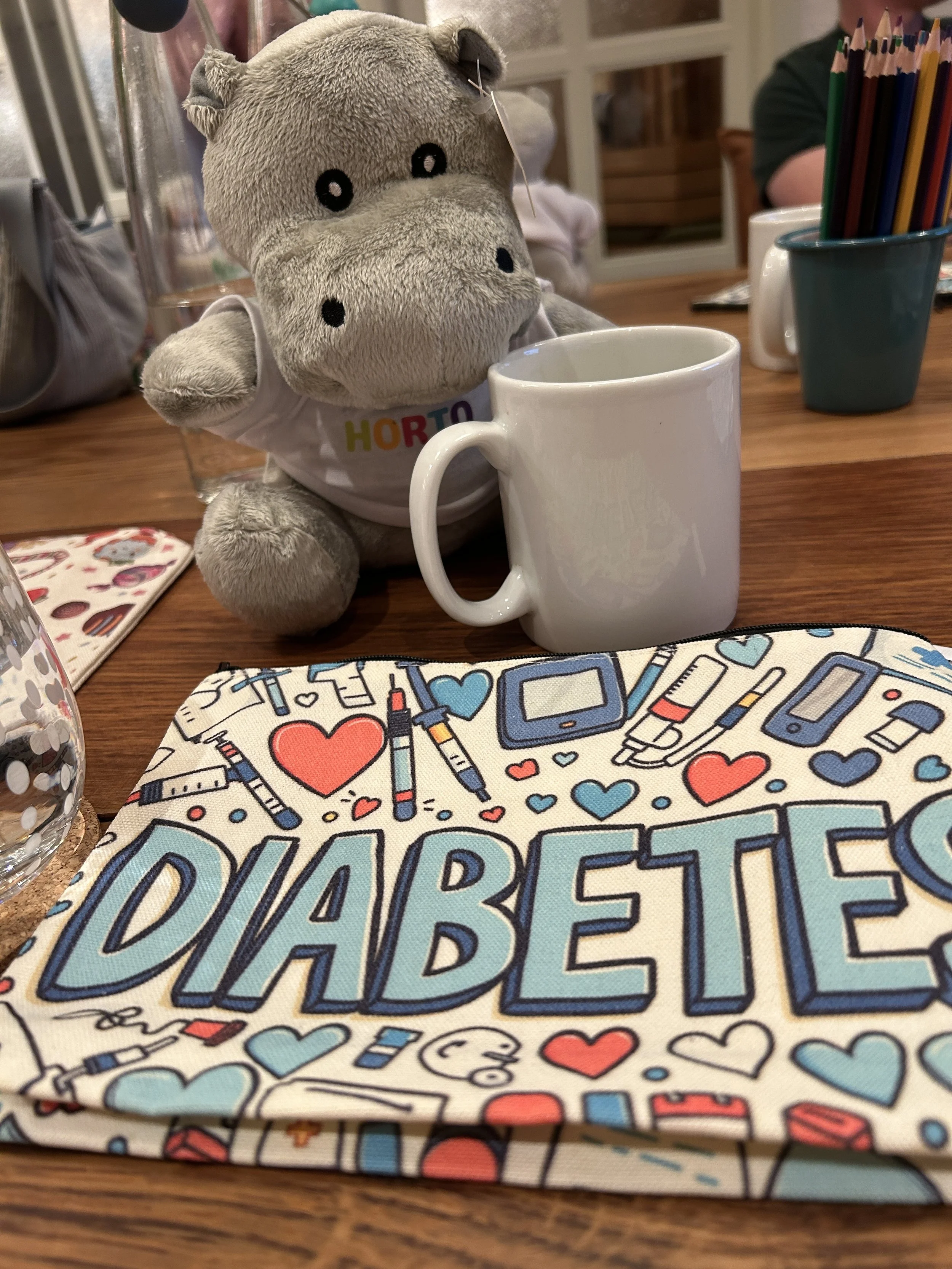
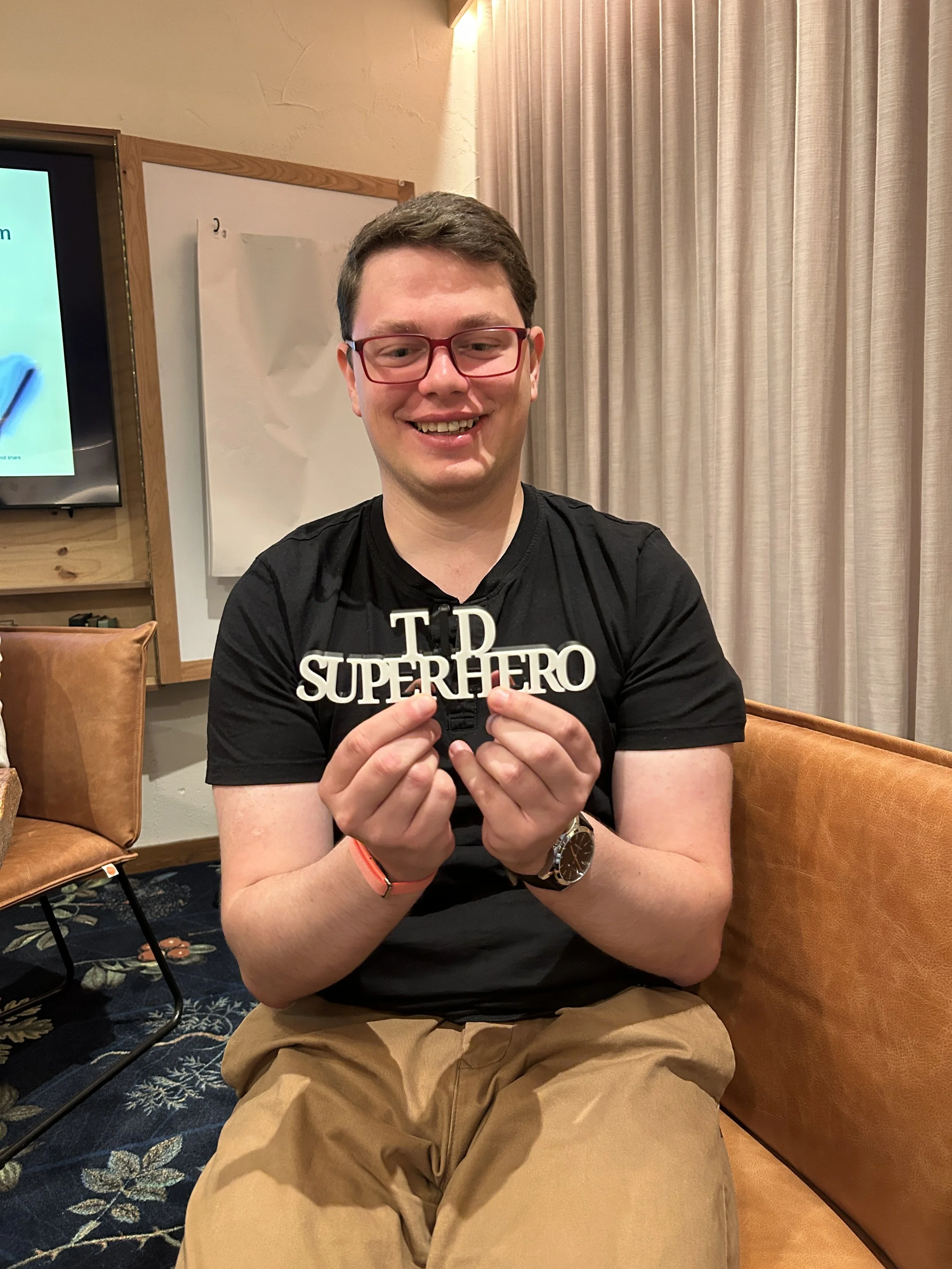
The event brought together 15 people living with type 1 diabetes from Ireland and the UK (shoutout to Julie who joining me from Ireland). It gave us an opportunity to reconnect with familiar faces, make new connections, hear updates from the mylife Diabetes Care team, and share our own experiences and ideas.

On Saturday afternoon, we got stuck into a product update from Zara, Vicky and Katy from mylife Diabetes Care.

The update many of us were most interested in was CamAPS with Liberty, a new fully closed-loop feature being developed for the existing CamAPS FX app.

CamAPS Liberty – No Carb Counting, No meal bolus-in’

When CamAPS with Liberty is activated, users will not need to count carbohydrates or manually deliver a pre-meal insulin bolus. The CamAPS Liberty algorithm will anticipate and respond to changing glucose levels while operating within established safety limits.

It’s the world's first fully closed-loop feature. This was announced in March 2026 and progress to make it available to existing pump users is taking place at a steady pace.

This feature will mean saying goodbye to carb counting or manually delivering pre-meal boluses.

However, for the time being, Liberty is Not intended for pregnancy or for under 13s.

For people who have spent years analysing meals, estimating carbohydrates, entering information into a pump and deciding when and how much to bolus, that is a significant development.

CamAPS Liberty received EU Medical Device Regulation approval in January 2026. CamDiab announced in March that the feature would become available within CamAPS FX, with a wider rollout following an initial pilot. Its availability in individual countries remains subject to local approvals and launch arrangements.

The version discussed at the event is not currently intended for use during pregnancy or by children under 13.
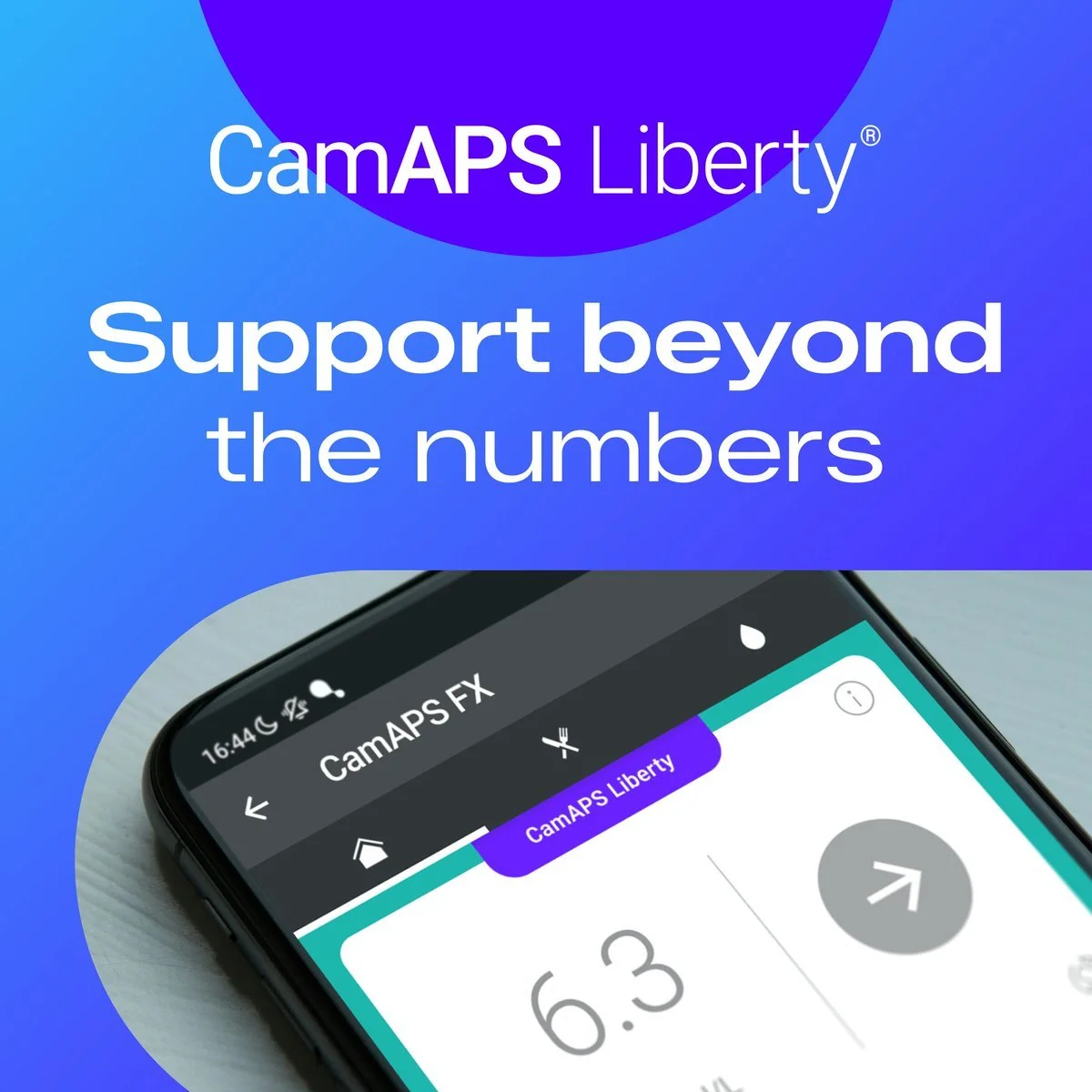
Image sourced from CamAPS Liberty - CamAPS FX


The question everyone wanted answered! When?

Naturally, the question everyone wanted to ask was: When will it be available?

Well, it’s always the most difficult question to answer in the room because there are so many elements of a product release not within the control of the company.

A product can be technically ready but still require regulatory processes, local approvals, training, commercial arrangements and coordination between several organisations before it reaches users in a particular country.

The official answer from the MyLife Team remains “soon ish”.

Speaking from years of personal experience of diabetes product launches, Gráinne’s optimistic prediction is that Liberty could reach Ireland within a year.

That is very much a personal estimate rather than an official timeline. As anyone who has waited for diabetes technology to arrive in Ireland will know, there can be plenty of bumps and delays along the way.
What might it feel like to stop bolusing?

Once the formal product update had finished, we spoke with Katherine from Edinburgh, who is one of the people beta testing the Liberty feature.

She had been using it for approximately two months and described how strange it felt, and still feels, to eat without counting carbohydrates or bolusing for the meal.

That immediately made Gráinne think about all the minutes it could give back to people living with diabetes. Some of us can remember what it felt like to simply sit down and eat before diabetes became part of every meal.

Now, eating often begins with an internal calculation:

  • What is in this?

  • How many carbohydrates are there?

  • How much will I eat?

  • Is it high in fat or protein?

  • Should I bolus now, later or in stages?

  • What does my glucose level look like?

  • What does the pump think I need?

Even when these decisions become routine, they still take time and mental energy.

The possibility of sitting down and eating without first analysing the food, estimating its carbohydrate content and entering information into a pump is difficult to imagine.

Katherine’s experience also made the technology feel more real. This was not only a product announcement or a future concept. Someone sitting with us had already been living with it and could explain what the transition felt like in everyday life.

Unsurprisingly, we had many questions.

With 14 people living with diabetes in the room, the discussion was lively. People wanted to understand how the system responded to different meals, how it handled exercise and changing routines, and how much confidence it took to stop giving the meal boluses that had been part of diabetes management for years.


Disclosure

This was an invited event hosted by mylife Diabetes Care, which covered Thriveabetes’ travel and accommodation expenses. All views and words shared here are our own.
CGM Access in Ireland: Why Are People Still Excluded? 

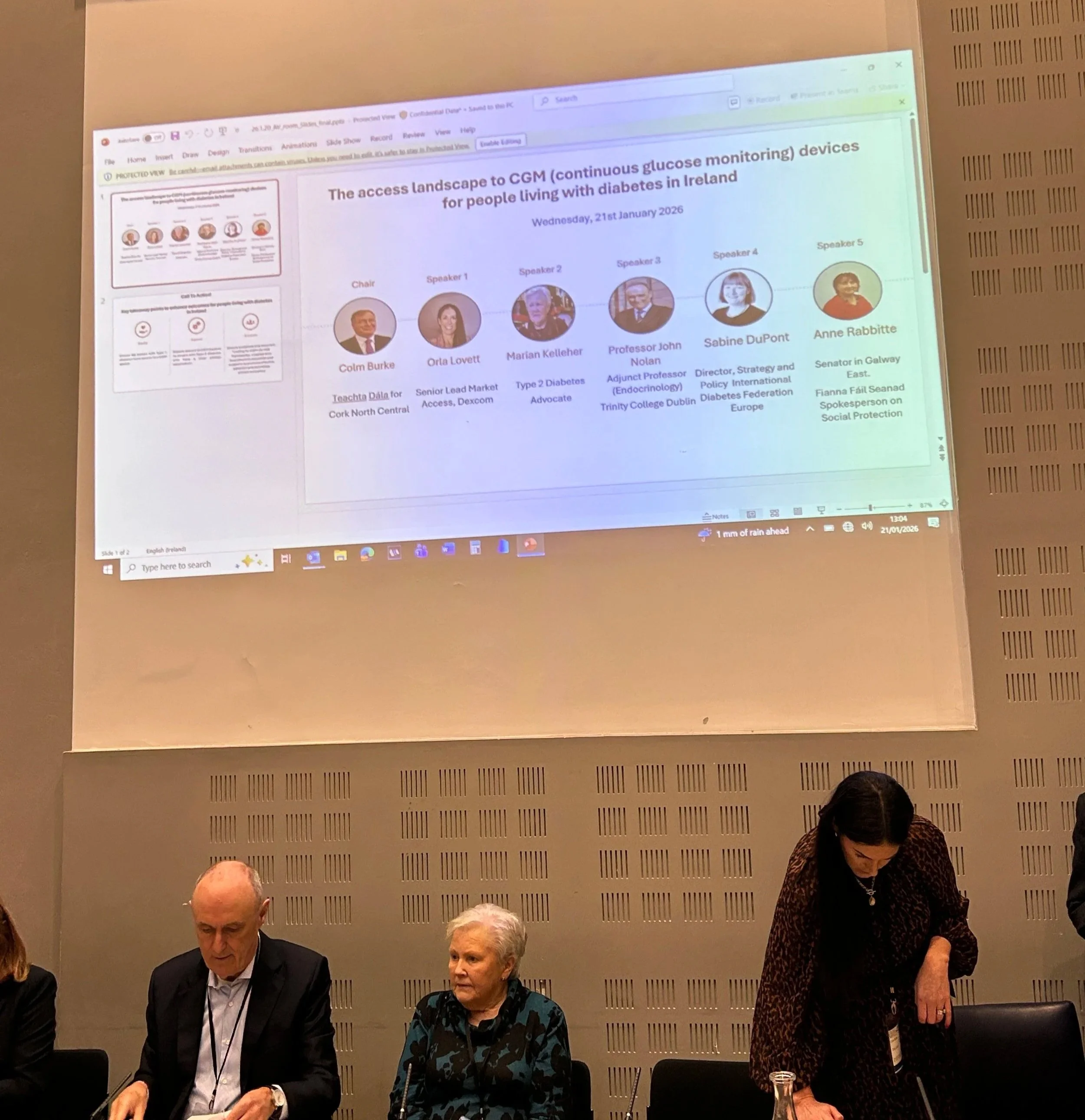
Last month (January 2026), I attended a briefing in Leinster House focused on access to Continuous Glucose Monitoring (CGM) for people living with diabetes in Ireland. In my 33 years of living with diabetes, I have never seen such a universal agreement on a diabetes issue. 

Clinicians, nurses, people with diabetes, patient organisations, industry, and the HSE National Clinical Programme for Diabetes were aligned on one key point: CGMs are clinically effective, life-changing, and cost-saving. And yet, tens of thousands of people who could benefit from them remain excluded. 

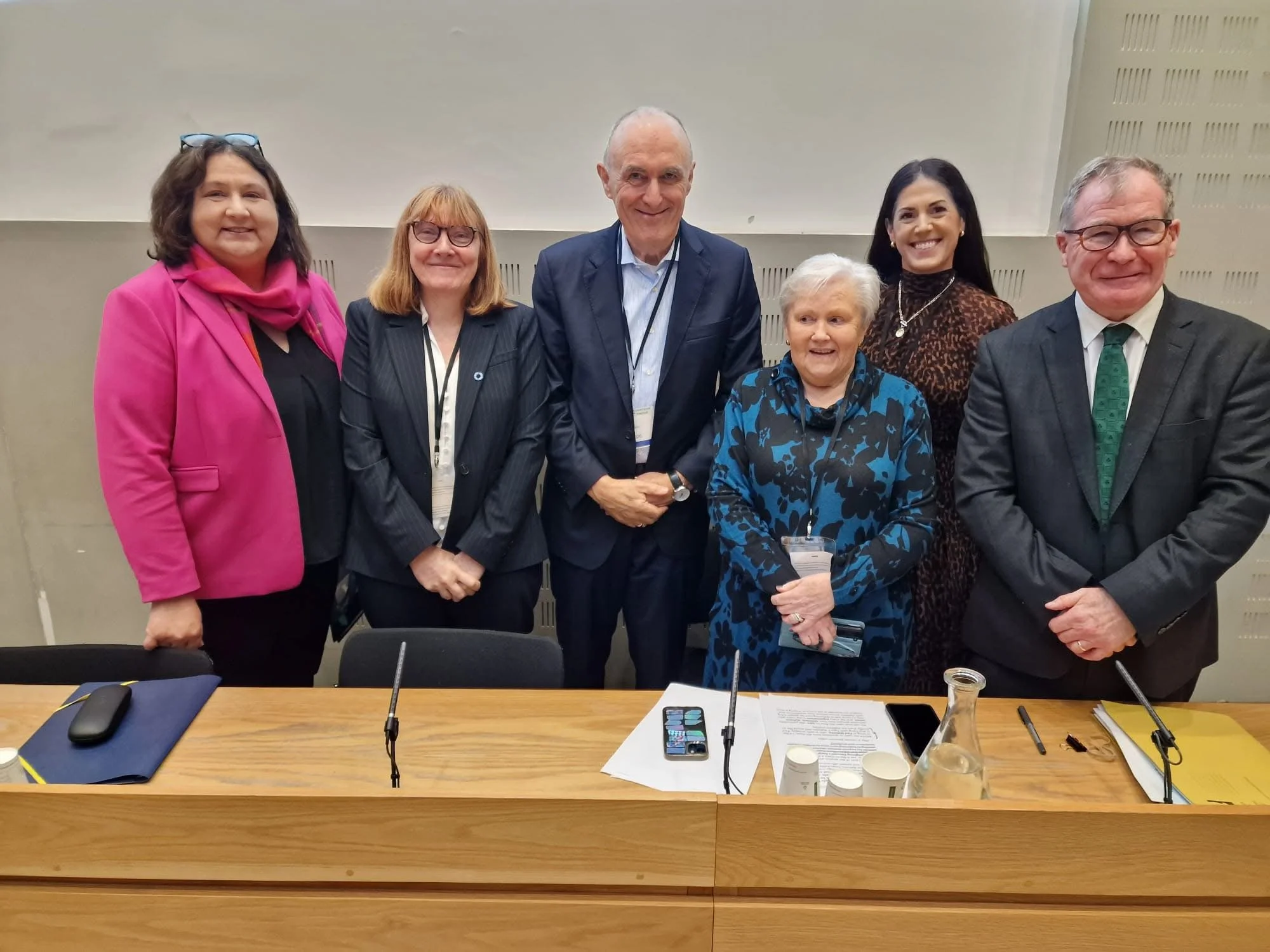
This briefing, hosted by Dexcom and sponsored by Deputy Colm Burke TD and Senator Anne Rabbitte, highlighted not just the benefits of CGM: but the real and unnecessary barriers that still exist in Ireland today. 

L-R: Prof John Nolan, Marion and Orla Lovett

 Who Is Being Left Behind? 

Since December 2023, a subset of adults living with Type 1 diabetes has been excluded from CGM reimbursement due to an eligibility rule from the HSE Medicines Management Programme (MMP): applicants must have required insulin “from the outset”. 

This rule is not evidence-based. It excludes people who were initially misdiagnosed or who progressed to insulin dependence later, despite having identical clinical needs to those who qualify. 

In 2024, 537 applications were rejected for this reason alone. Approving CGM access for this group would cost an estimated €1.5 million annually, which in my view is a modest figure in the context of national healthcare spending. More importantly, HIQA did not recommend this “from the outset” requirement. 

Beyond people with Type 1 Diabetes, many others are excluded entirely, including people with: 

  • Type 2 diabetes (including insulin-dependent) 

  • LADA (Latent Autoimmune Diabetes in Adults) 

  • Cystic-fibrosis related diabetes 

  • Pregnant women with diabetes 


Lived Experience: “My Diabetes Was Out of Control Without Me Knowing It” 

One of the most powerful contributions came from Marian, who has lived with Type 2 diabetes for over 40 years. 

Marian shared how, for years, finger-prick testing failed to show the full picture of her glucose levels. On more than one occasion, she was hospitalised only to discover her blood glucose was dangerously high. It was 30 mmol/L without any warning symptoms. 

Since starting CGM, she has been able to manage her diabetes far more safely. But access comes at a cost: €44 every 10 days, paid out of pocket by two retired people relying on a pension. 

Her story made one thing clear: CGMs don’t just improve numbers—they prevent harm


The Clinical Case Is Already Proven 

Professor John Nolan outlined the extensive evidence supporting CGM use across all types of diabetes, particularly Type 2. People who develop diabetes-related complications are five to ten times more complex—and more expensive—to manage

Ireland, he noted, is lagging behind other countries. 

Sabine DuPont, Director Policy and Strategy with the International Diabetes Federation Europe reinforced this point, describing CGM as technology that “turns the invisible into visible”. Across Europe, countries such as France, Germany, the Netherlands and Switzerland already reimburse CGMs for people with Type 2 diabetes. 


The Cost of Delay 

During the open discussion, clinicians highlighted the broader system impact: 

  • 1 in 5 people in hospital in Ireland has diabetes, most of whom have Type 2 

  • Average hospital stays: 

    • 5 days for a person without diabetes 

    • 11 days for a person with diabetes 

Professor Ciara Coveney, speaking from maternity care, shared that pregnant women with Type 2 diabetes experience the poorest outcomes of all diabetes types in pregnancy—affecting both mothers and babies. 

Despite all this, the HSE is now seeking a Health Technology Assessment (HTA) on CGMs for Type 2 diabetes. Several clinicians questioned the value of this, arguing that an HTA would simply confirm what existing evidence already shows—at the cost of further delay. 


A Practical Way Forward 

No one at the briefing suggested opening the floodgates overnight. What was proposed was a phased, cost-sensitive expansion

  • Start with the most vulnerable groups 

  • Use reduced hospital admissions and complications to fund subsequent phases 

  • Deliver CGM access in line with Sláintecare’s focus on prevention and community-based care 

This kind of approach could be led collaboratively by Diabetes Ireland, the National Clinical Programme for Diabetes, and the HSE. 

 What Can You Do? 

If you are living with diabetes—or care about someone who is—your voice matters. 

  • Contact your local TDs and Senators and ask them to support immediate funding for the €1.5 million needed to approve CGM access for those rejected due to misdiagnosis. 

  • Encourage Diabetes Ireland and the National Clinical Programme for Diabetes to bring forward a multi-annual, detailed proposal for broader CGM access in Budget 2027. 

  • Share your story. Real experiences, like Marian’s, make the impact of these decisions impossible to ignore. 

The evidence is clear. The consensus exists. Now, the question is simple: how much longer can we afford not to act?