Supports for Children & Teenagers with Type 1 Diabetes
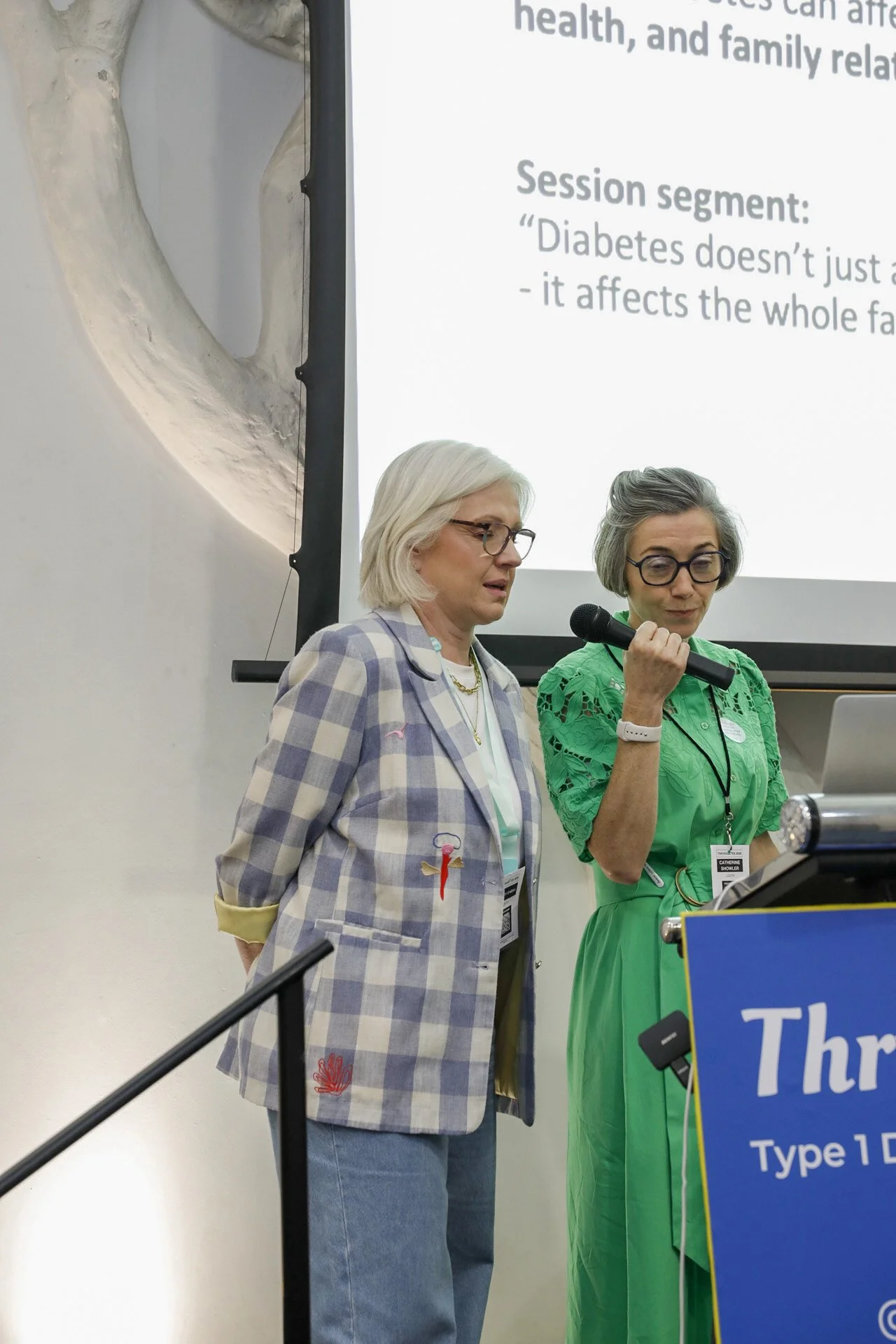
At Thriveabetes in April 2026, volunteers, Audrey O’Neill and Catherine Showler presented a session called “Nobody Told Us this: The Unwritten Advice of Diabetes Parents”. This session covered a multitude of items especially around school and your child or teenager with type 1 diabetes.
Thanks again to Audrey, Catherine and Ciara Gilgunn from the Parents of Children & Teens with T1 Diabetes in Ireland on Facebook for collating the following information and sharing this information.
Do you know about:
Domiciliary Care Allowance DCA
Type 1 Diabetes Educations for Teachers and SNAs
Reasonable Accommodations for Certificate Exams (RACE) Junior and Leaving Cert
Disability Access Route to Education (DARE) Scheme
Driving With Diabetes Requirements
Domiciliary Care Allowance
Financial support for families caring for a child with Type 1 Diabetes
This is a monthly payment for children under 16 years with a severe disability, whereby your child requires ongoing care and attention, substantially over and above what is usually needed by a child of the same age.
Significant Ongoing Illnesses such as Type 1 diabetes are also considered.
DCA is not a means-tested payment.
New since Budget 2025:
There will be a once-off payment of €400 to people getting Domiciliary Care Allowance (November2024).
Domiciliary Care Allowance will be €360 per month (January 2025).
When applying for this payment, you should supply as much information as possible detailing everything that caring for a child with diabetes entails including a diary of all that it involves.
Helpful Sources for applying for DCA:
What is DCA (Citizen's Information)
What is DCA (Department of Social Protections)
Type 1 Diabetes Educations for Teachers and SNAs
Continuing Professional Development Courses for Teachers and SNAs entitled ‘Diabetes in Schools’ is available through Local Education Centres. They may be provided to school staff for free or a nominal fee (depending on the centre).
If you would like to find out more contact Aisling as @type1_on_the_run on Facebook, Instagram and on LinkedIn.
Reasonable Accommodation at Certificate Examinations (RACE)
The RACE scheme is designed to remove barriers for students with disabilities, learning difficulties, or medical conditions that affect their ability to sit State Exams in the normal way. The scheme is overseen by the State Examinations Commission (SEC) and applies to the Junior Cycle, Leaving Certificate, and Leaving Certificate Applied exams.
This allows exam students with type 1 diabetes sitting State Examinations such as the Leaving Certificate and Junior Certificate to have special arrangements in place for the exams. This includes having food & drinks in the exam hall and rest breaks.
Medicine, food or drink in exam centres:
Food or drink is not normally allowed in the examination centre (other than water). However, if you need to take medicine, food, or drink because of a medical condition, this will be allowed. Also, the school can make arrangements to ensure your privacy if needed (such as for insulin injections).
Rest breaks:
You can be granted rest breaks if you need them because of a medical condition. You must be supervised at all times during the rest periods and are not allowed to read or write. The time you are resting for is added on to the end of the examination, so that you are not losing time during the rest periods. Except in exceptional circumstances, the total amount of rest time cannot be more than 20 minutes per examination. Rest breaks apply to written and practical examinations.
You must apply, through your school to the State Examinations Commission (SEC), for Reasonable Accommodation in the November of the school year that you are sitting the exams.
Additional Resources:
Examination Arrangements for Students with disabilities (Citizen’s Information)
Reasonable Accommodations Information (Examininations.ie)
Exams and Diabetes (Diabetes Ireland)
Reasonable Accommodations at the 2026 Certificate Examinations Guide for Students (from Examinations.ie/RACEReview)
Disability Access Route to Education (DARE) admissions scheme
DARE is a third level alternative admissions scheme for school-leavers under the age of 23 whose disabilities have had a negative impact on their second level education.
Significant Ongoing Illnesses are considered for DARE which includes Type 1 Diabetes.
DARE offers reduced points places to school leavers who, as a result of having a disability, have experienced additional educational challenges in second level education.
You must complete the online application form by 1 March of the year of application through www.cao.ie.
You must also submit all supporting documents including your completed Educational Impact Statement and the relevant Evidence of Disability by 15 March of the year of application.
Additional Resources:
DARE admissions scheme for students with disabilities (Citizens Information)
What is DARE (AccessCollege.ie)
What is a Significant Ongoing Illness (AccessCollege.ie)
How do I Apply? (AccessCollege.ie)
Providing evidence of your disability (AccessCollege.ie)
Diabetes and Driving

In addition to filling out a Driving Licence application with the National Driver Licence Service (NDLS) when you have Type 1 Diabetes you must also fill out a Driving Licence Medical Report Form this must be signed by your GP.
When applying or renewing your driving licence, you must:
Declare your diabetes to the NDLS (National Driver Licence Service) if you already have a licence.
You will need to supply a medical report when applying for the first time and when renewing, depending on your treatment (ie insulin dependent).
This report can be obtained from your consultant (if you attend a hospital diabetes centre) or your General Practitioner. There may be a cost associated with completion of the medical report.
Inform NDLS if your treatment changes significantly or you have had recent severe hypoglycaemia episode (requiring third-party help in the past 12 months.
Car Insurance
You must also inform your motor insurance company that you have diabetes, but this will not affect the cost of your insurance policy.
IMPORTANT: Failure to declare a relevant medical condition can affect your insurance and may be a legal offence. (Diabetes Ireland).
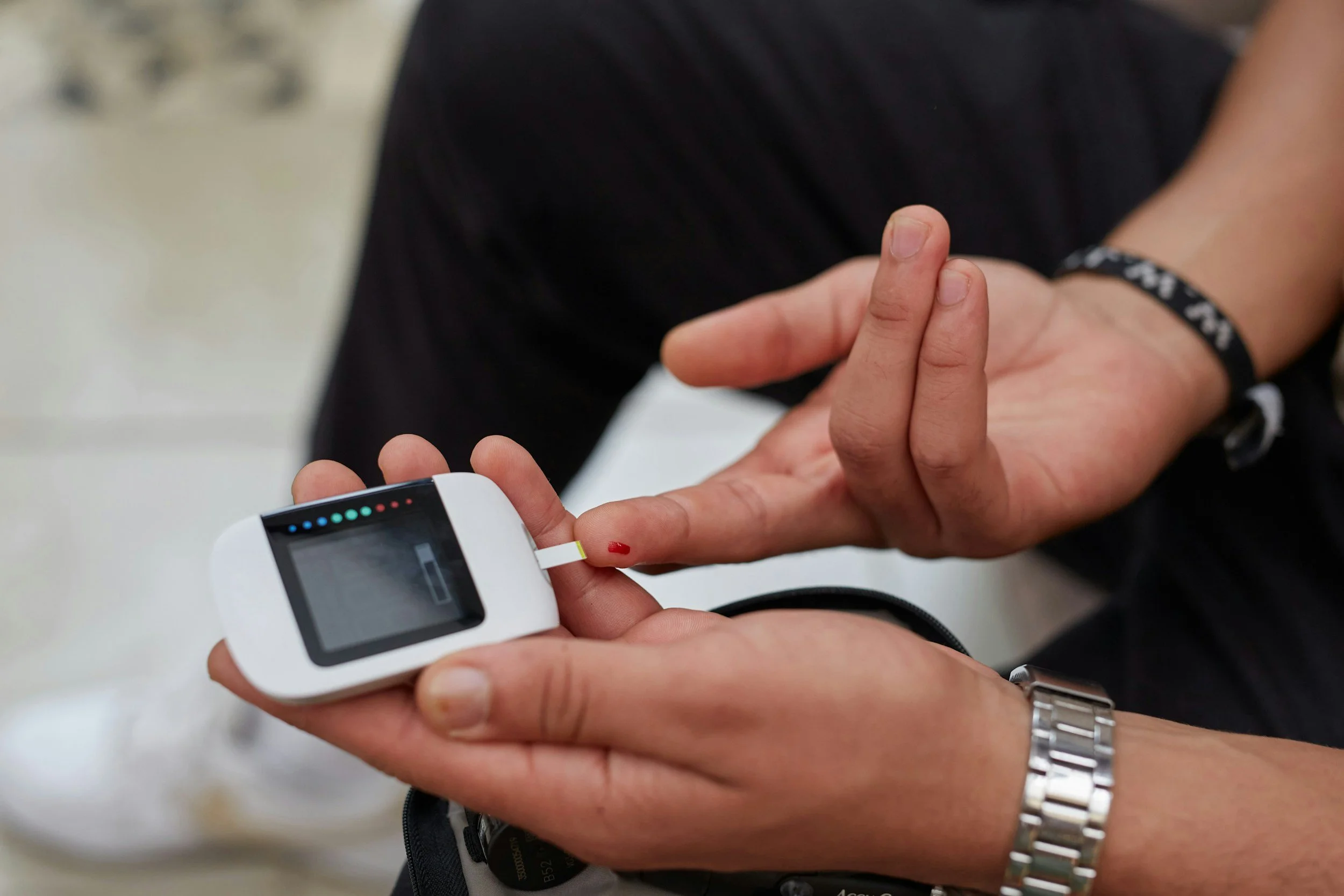
Monitoring Glucose for Driving:
Legal requirements for driving with type 1 diabetes
Legally, if you have diabetes and you drive you need to:
Check your blood glucose is above 5mmol/l before driving
CGM systems may be used for monitoring glucose at times relevant to driving Group 1 vehicles (cars and motors bikes)” (RSA Diabetes and Driving leaflet page 5).
If using a CGM, the blood glucose level must be confirmed with a finger prick blood glucose reading in the following circumstances: when it indicates that the glucose level is 4.0 mmol/L or below (RSA Diabetes and Driving leaflet page 5).
Check your blood glucose every 2 hours if you're on a long journey
ALWAYS carry a glucose meter, hypo treatment and carbohydrate snacks like a cereal bar or banana when driving. Be aware that if Number 3 occurs and you are pulled over by a member of An Garda Síochána or the emergency services, your glucose meter may be checked for a glucose reading confirmation.
Additional Sources:
Driving with Type 1 Diabetes (Diabetes Ireland)
Driving with Type 1 Diabetes (HSE Living with Type 1 Diabetes)