
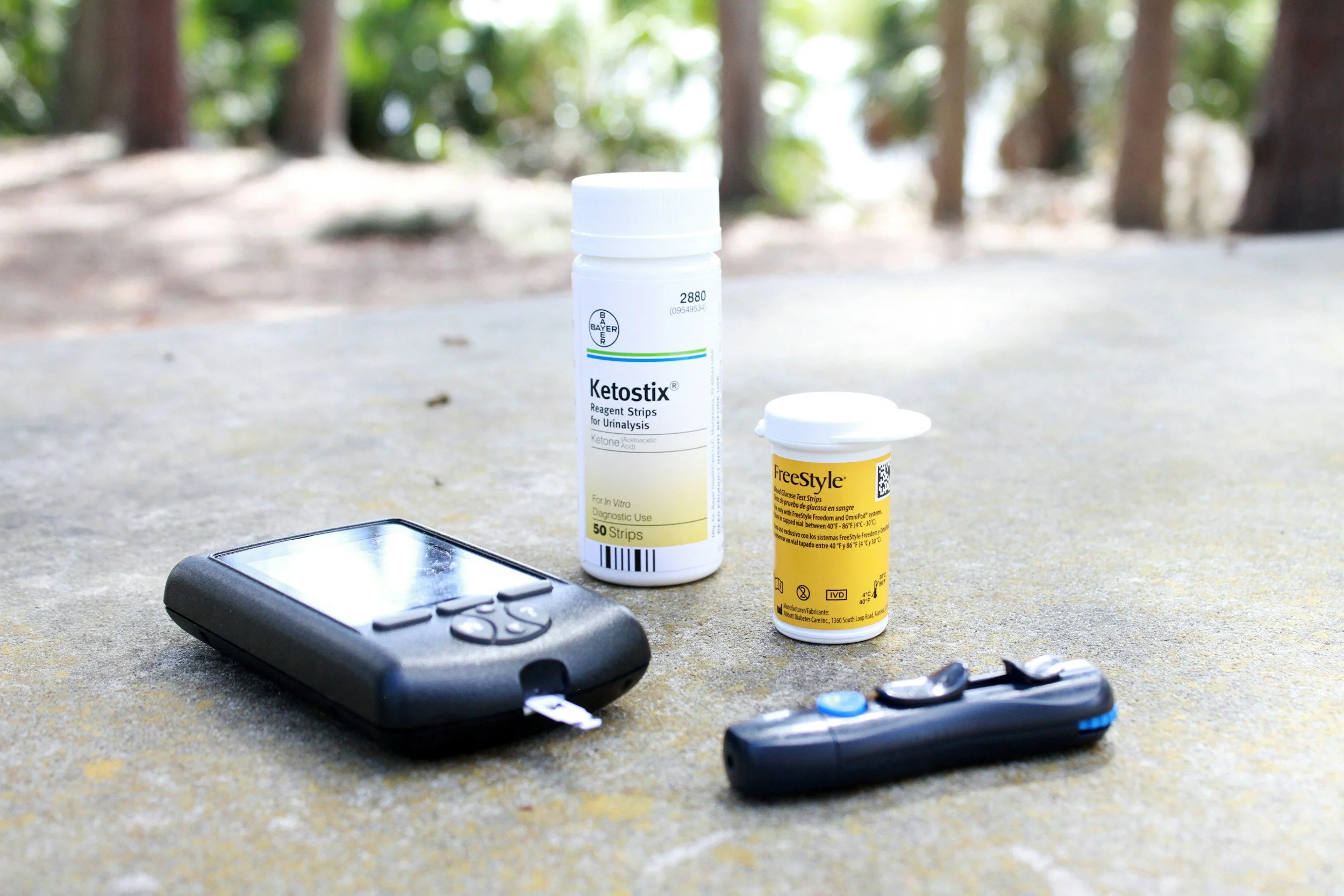
At the recent Advanced Technologies and Treatments for Diabetes (ATTD 2026) in Barcelona Abbott published “some study data showing diabetic ketoacidosis on the rise and many people still aren’t checking ketones” (Abbott, 2026).
This reminded me of a really engaging and informative session titled Understanding Ketones facilitated by Kamil Armacy, Nerdabetic, while attending the Abbott dX2025London event in October. This post is my reflection on this session.
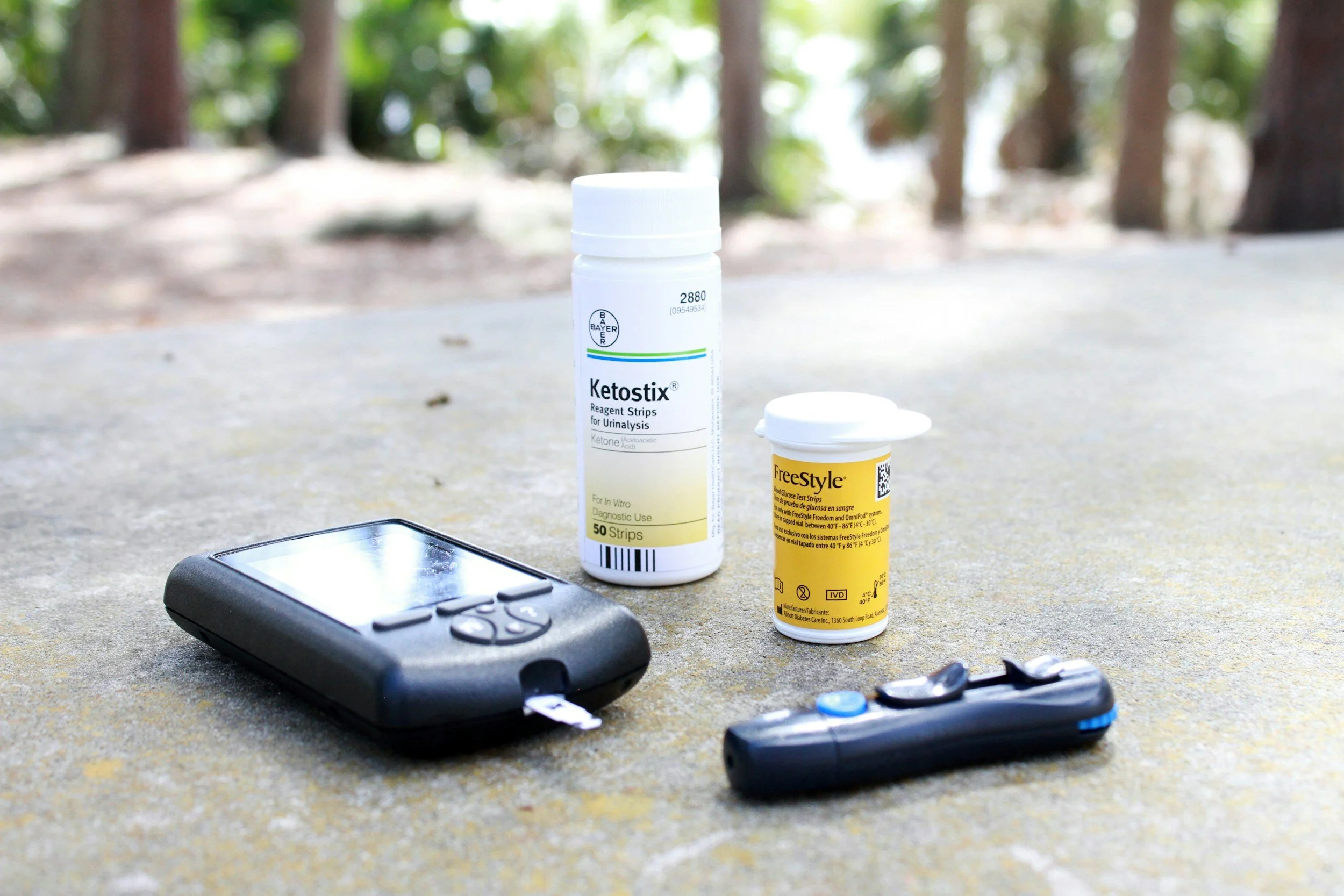
Many of us living with diabetes first heard the word ketones around the time of diagnosis — often linked to something serious called DKA (diabetic ketoacidosis). It’s scary, and for good reason. DKA happens when your body doesn’t have enough insulin to use glucose for energy, so it starts breaking down fat instead. That process produces ketones — acidic chemicals that can build up in your blood and become dangerous.
What are Ketones?
Ketones are acidic molecules produced by the liver when carbohydrates are not readily available for energy. They serve as an alternative energy source for the body, particularly during fasting, prolonged exercise, or low carbohydrate intake. Ketones also play a role in reducing oxidative stress in the body.
A ketone level of under 0.6 mmol/L is considered normal and safe. At this level, your body is effectively managing its energy needs without excessive ketone production.
What is the difference between Ketones and Diabetic Ketoacidosis (DKA)?
DKA happens when your body doesn’t have enough insulin to use glucose for energy, so it starts breaking down fat instead.
That process produces ketones — acidic chemicals that can build up in your blood and become dangerous.

When might we need to check for ketones?
We tend to only hear about ketones in relation to diagnosis or high glucose levels. But here’s the thing: ketones aren’t only a “high blood sugar” problem. They can also appear when you’re unwell or haven’t eaten much, even if your glucose is in range. That’s why many diabetes teams recommend checking ketones:
When you feel unwell (even if your glucose is okay)
When your glucose is stubbornly high for no clear reason
People with type 2 diabetes can also develop ketones, though it’s less common. And of course, some people intentionally produce ketones through keto diets - but that’s a different situation than DKA.
What should I do if I have ketones?
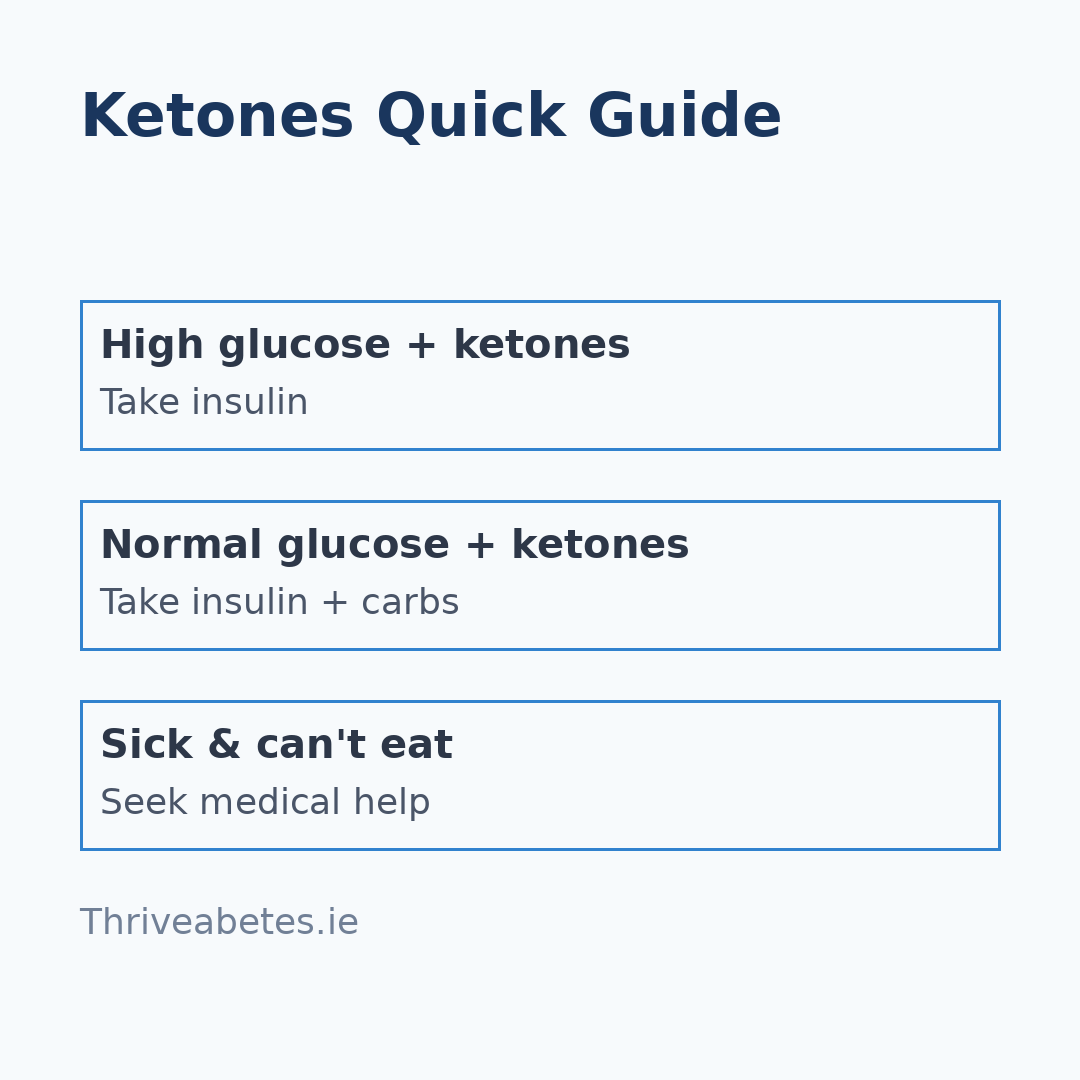
If ketones are present and your glucose is high, insulin is needed.
If ketones are present but glucose is normal, insulin and carbs are needed to clear them.
But if you’re sick and can’t keep food down, this can become an emergency because you still need to take insulin but how can you if you eat or drink. That’s why hospital treatment often includes both insulin and glucose intravenously through an IV.
Refer to this Sick Day information Leaflet from Diabetes Ireland or from this booklet from the HSE called Managing your Type 1 diabetes Sick day advice for adults, for more detailed information on how to understand the results from a Ketone Meter.
What’s striking is how little we talk about ketones outside of diagnosis.
Many people in the room that day spoke about how we/they aren’t routinely asked about them in clinic, even when dealing with stubborn highs. Yet they’re a key part of sick day management and staying safe.
Check your clinic’s “sick day rules” or talk to your diabetes team about when and how to test ketones.
Trust your instincts — if something feels off, check.
This is your reminder: understanding ketones isn’t just for diagnosis. It’s part of everyday diabetes care.